The Beckham Law is a tax regime that has become somewhat complex over the years. In this regard, there are many details to consider and many ways one can make unnecessary mistakes. Therefore, we propose the following method to tackle the Beckham Law safely and effectively:
Phase I: Preliminary Analysis
If you’ve just arrived and are wondering if you should consider the Beckham Law, then you’re on the right track. The first thing one should do is analyze their situation and assess what options are available and which is the most convenient. For this, there are three elements to consider:
Check the Deadlines
This is the first thing to check because the Beckham Law is subject to deadlines, and you may have limited time to react.
In this sense, the regulation establishes a very strict deadline of 6 months to apply for the Beckham Law. This period starts from the date of commencement of activity in Spain. Depending on the type of activity, it will be counted in one way or another.
The importance of the six-month deadline lies in the fact that if the application is not submitted within this period, the opportunity to benefit from the tax advantages offered by the Beckham Law is lost. Once this period has passed, it is not possible to request the special regime, and the taxpayer must pay taxes under the general regime of the Personal Income Tax (IRPF).
Therefore, it is crucial for taxpayers who wish to avail themselves of the Beckham Law to be mindful of this deadline.
Check if it is Advantageous for You
The Beckham Law is a special regime that offers many tax advantages, but it also has certain disadvantages.
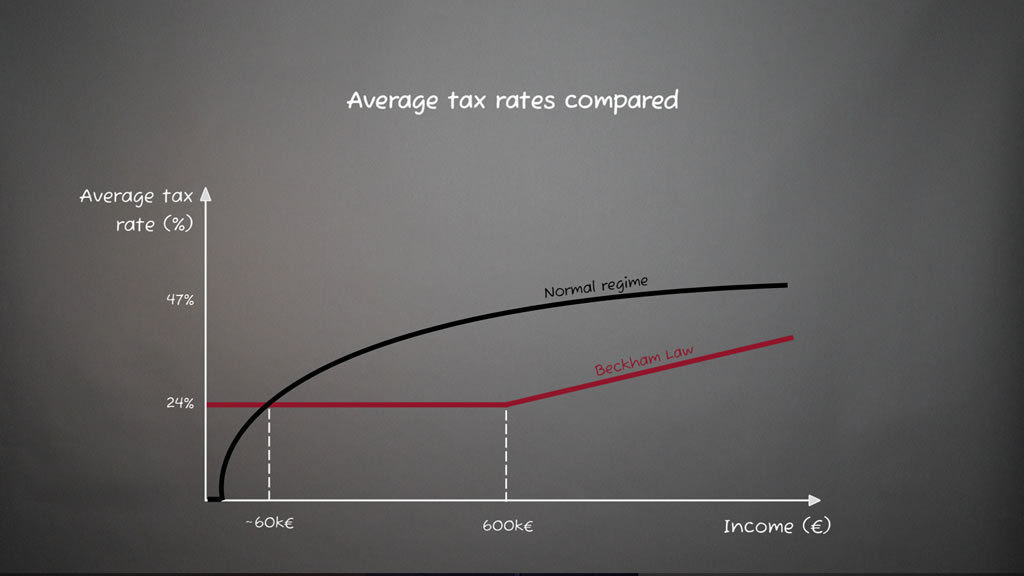
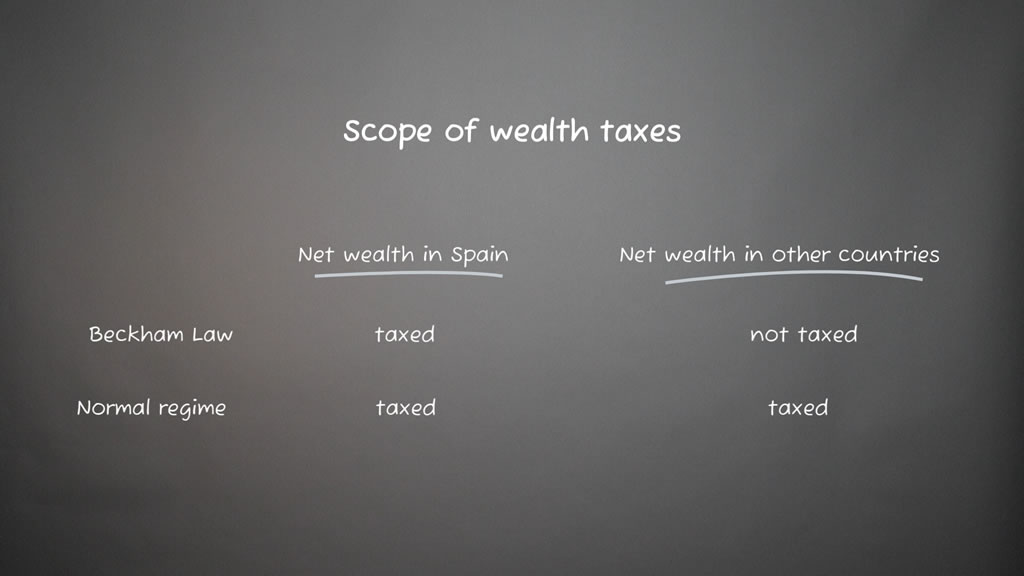
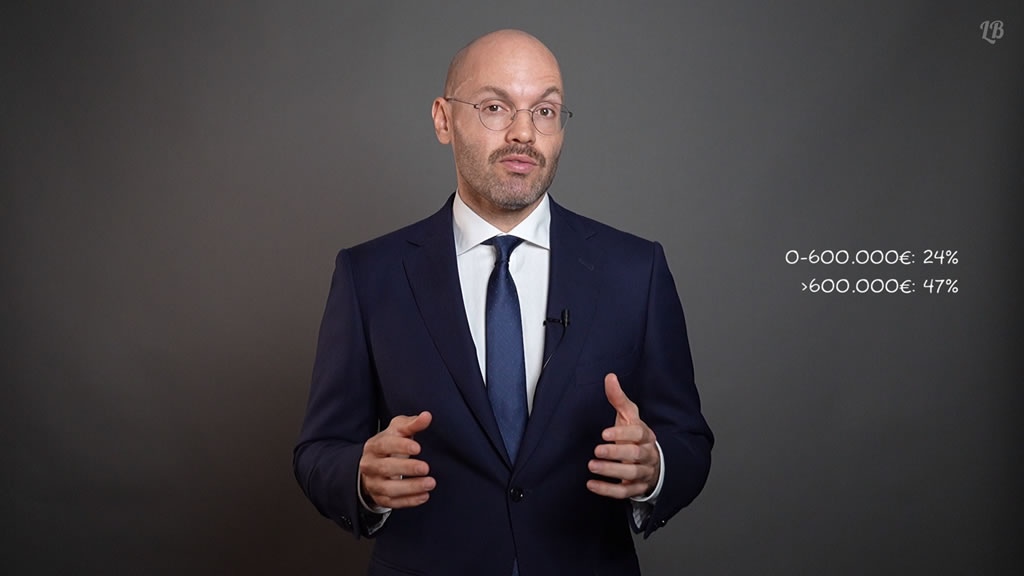
On the advantages side, we could highlight, for example, the flat rate of 24% for incomes up to 600,000 euros (which can be beneficial for individuals with high incomes). Another significant advantage is that taxes would only be paid in Spain for income earned in Spain, excluding employment income and economic activities, which would be taxed in Spain regardless of their origin. It is also worth noting that the Beckham Law exempts taxpayers from the obligation to file the Form 720, the declaration of foreign assets, thus reducing the administrative burden.
On the disadvantages side, we could highlight, for example, the incompatibility with certain exemptions and deductions available under the general regime of the Personal Income Tax (IRPF). In addition, taxpayers under the Beckham Law are limited in terms of working as freelancers, except in certain exceptional cases. There is also a disadvantage in terms of taxation of real estate, as the deduction of expenses related to real estate income is not allowed, and an income allocation for real estate must be paid for the main residence. Lastly, it is worth noting the incompatibility with some Double Taxation Agreements, which, in certain cases, can lead to situations of double taxation, despite the internal mechanisms of the law to avoid it.
Considering the above, before making any decision, it is advisable to carefully assess whether it is beneficial for your specific case to apply the Beckham Law.
Check if You Meet the Requirements
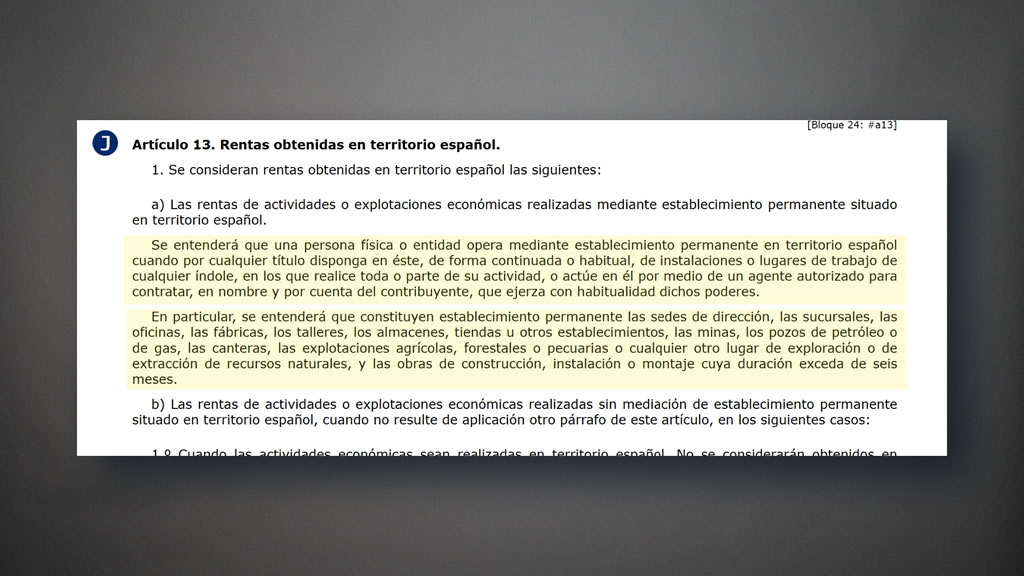
To apply for the Beckham Law, it is essential to meet a series of specific requirements set out in the regulations. Among these requirements, it is worth noting that the applicant cannot have been a tax resident in Spain for the last 5 years, must move to Spain for work and as a result, acquire tax resident status in Spain, cannot obtain income through a permanent establishment located in Spanish territory, and must submit the application on time and with the correct documentation.
These requirements may seem clear and straightforward at first glance, but each has controversial aspects subject to interpretation. That is why they should be analyzed thoroughly.
The most immediate risk of not meeting the requirements is that the Tax Agency may reject the application for the Beckham Law. That said, there is a scenario that could be even worse: the Tax Agency accepts the Beckham Law application and later, in a potential tax audit, concludes that the requirements were never actually met. This could lead to exclusion from the regime, having to pay what should have been paid under the normal regime from the start, in addition to interest, and possibly even penalties.
Phase II: Request the application of the special regime of the Beckham Law to the Tax Agency
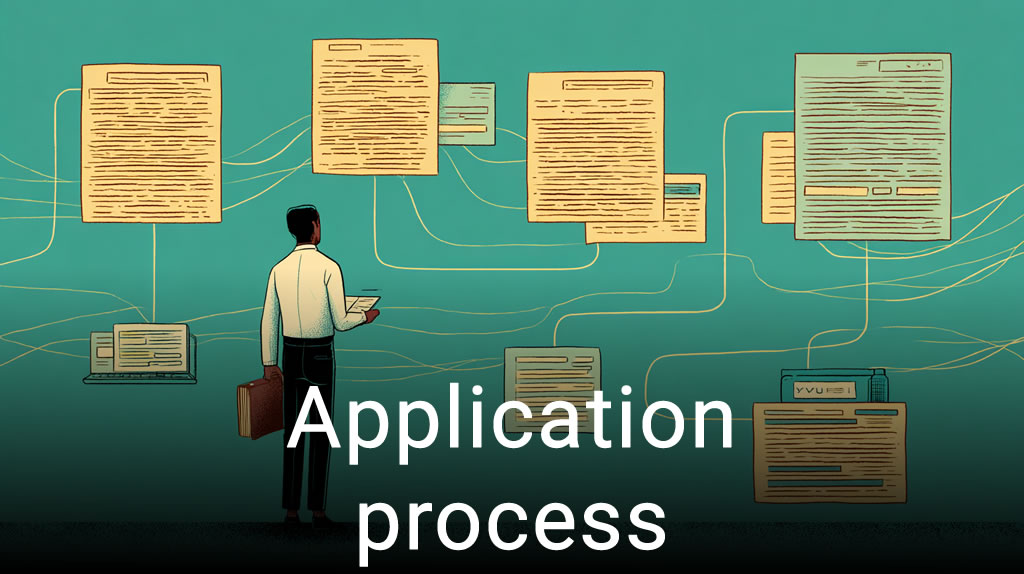
If, after analyzing your case, you have concluded that applying for the Beckham Law is the best option, the next step is to initiate the application process as soon as possible to avoid the expiration of the 6-month period. Despite needing to proceed as quickly as possible, it’s also recommended to follow a sequence and be very thorough with each step:
Gather necessary information and documentation
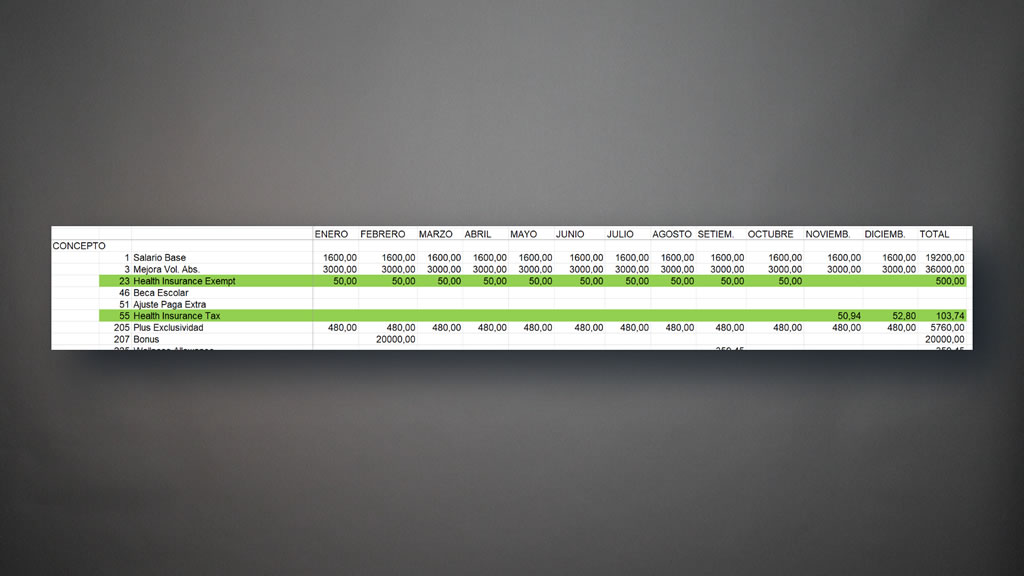
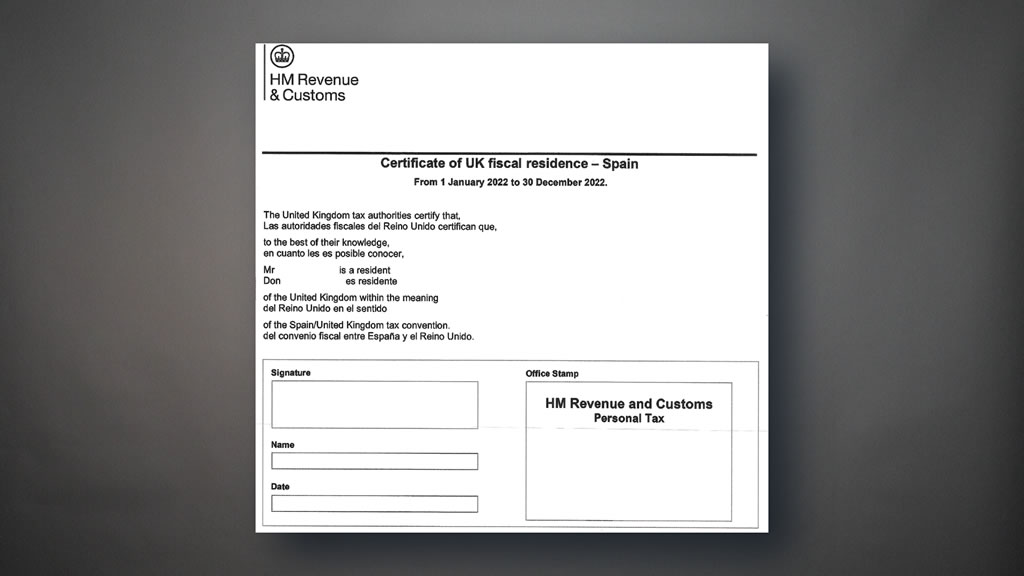
Perhaps the most underestimated part of the Beckham Law application process is the compilation and preparation of documentation that must be attached to the application. This documentation will depend on your specific circumstances, so it’s not easy to make an exhaustive list of all the necessary documents for each possible variant. Some of the documents may have to be issued by third parties (your company or official institutions) and others may be prepared by yourself.
Furthermore, as mentioned on the Requirements page, you might need to prove the causal link between your move to Spain and your new job. The documentation to prove this depends, of course, on how your move to Spain has occurred.
Register with the Tax Agency
Before starting with the Beckham Law application, you must be registered in the Census of Tax Obligations of Spain. This is a register managed by the Spanish Tax Agency, in which all individuals or legal entities that are going to deal with the Spanish tax authorities must enroll.
To register in the Census of Tax Obligations, you must submit Form 030. You can submit Form 030 in person at a Tax Agency office or online, in which case you will need an electronic certificate. You can also ask a professional to submit it on your behalf, which is usually the norm to avoid errors that later prevent you from applying the Beckham Law.
Submit the Beckham Law application
Once you have all the documents ready, you will have to submit the official form along with all the supplementary documentation to the Tax Agency. The application can only be submitted electronically, meaning you will need an electronic certificate or some other equivalent means to prove your identity, or have a professional submit it on your behalf. The latter option is usually the norm, to avoid unnecessary errors that could harm you in the future.
It is absolutely essential to submit the application on time because otherwise, the application will be automatically rejected. It is worth remembering that the maximum period is six months from the start of the activity.
The Tax Agency’s resolution
The Beckham Law does not apply automatically after the submission of the application, but must be expressly authorized by the Tax Agency once it has verified that all requirements are met.
In this verification process, the Tax Agency sometimes considers the provided documentation to be incorrect or insufficient and requests more clarifications or documentation. If this is the case, you will only have a few days to respond. Furthermore, when this occurs, the Tax Agency often takes the opportunity to request any other documentation they consider appropriate, which sometimes ends up being problematic. In other words, unnecessarily exposing oneself to these requests for information and/or documentation by the Tax Agency usually reduces the chances of obtaining a favorable result in the application process.
At the end of the process, the Tax Agency will have to decide whether to finally accept or reject the application. They have a legal deadline of 10 business days to do so, although they usually take longer (between 4 and 8 weeks, depending on the region and the time of year).
Phase III: Manage subsequent years
Once the application is accepted and you start to benefit from the Beckham Law, the journey doesn’t end there, but rather a new phase begins in which there are a whole series of aspects to consider:
Submit the Beckham Law special income tax return each year
One of the main obligations for taxpayers under the Beckham Law is to submit the corresponding income tax return each year.
This is a special income tax return, specifically designed for taxpayers under the Beckham Law. This return must include the income subject to taxation in Spain that has been obtained during the natural year. Also, it must report the withholding taxes borne during the year (for example, the withholding tax that the employer practices each month on the salary). Depending on the income obtained and the withholding taxes borne, it may be necessary to pay an additional amount, to be entitled to a tax refund, or that no amount is due or to be refunded (zero result).
The deadline to submit this return starts each year at the beginning of April and ends at the end of June (always regarding the previous natural year). It’s worth noting that preparing this return requires some time, so it’s better not to leave it until the last minute.
Evaluate whether it is necessary to submit other declarations
In addition to the income tax return, the taxpayer subject to the Beckham Law should assess each year whether they might have to submit a Wealth Tax and/or a Solidarity Tax on Large Fortunes return.
- The Wealth Tax: Applies to net assets over €500,000-€700,000, with progressive rates ranging from 0.2% to 3.5%, although there are some exceptions and the figures can vary according to the autonomous communities.
- Solidarity Tax on Large Fortunes: Applies to net assets over €3,000,000, with progressive rates ranging from 1.7% to 3.5%, although there are some exceptions and the figures can also vary according to the autonomous communities.
In any case, each of these taxes has its own rules, and they can be relatively complex, so it’s most prudent to analyze each case with a professional.
Stay Alert for Possible Changes to the Beckham Law
The Beckham Law is not set in stone; rather, it is more like a set of rules that are alive, changing, and constantly adapting. This change occurs in two ways: (i) on one hand, through changes in the law itself, and (ii) on the other hand, through reinterpretations of its rules by the public bodies responsible for its application.
Regarding these changes, there is, for example, a body called the Dirección General de Tributos, tasked among other things with issuing binding consultations. Through these consultations, this body publishes new criteria on how certain aspects of the regulations should be interpreted. Consequently, something that initially was supposed to be interpreted in one way may, after the publication of a specific consultation, need to be interpreted in the opposite way. This can radically change the understanding of some aspects of the Beckham Law. The same could happen with rulings from administrative courts or judicial courts. That is why it is important to always be alert to any changes that may occur in the regime.
Review the Possible Consequences of Changes in your Circumstances
The previous section discusses the possibility of changes to the Beckham Law, but that is not the only thing that can change. The circumstances of the taxpayer during the duration of the Beckham Law (6 years) could also change, which is actually more common. For example, the family could grow, properties could be acquired, there might be a desire to change the form of compensation (stock options, meal vouchers, company car, etc.), a job change might be considered, or there might be an interest in starting a business, etc.
Each of these possibilities should be analyzed from the perspective of the Beckham Law, because the truth is that these and many other circumstances could have their tax implications. That is why it is important (at least while the regime lasts) to stay updated and be in a position to consult and assess new circumstances as they occur.
Phase IV: Termination of the Beckham Law
Everything comes to an end, and the Beckham Law is no exception. Such an end can occur under different circumstances:
- Non-compliance with the requirements;
- Voluntary withdrawal from the regime;
- Moving to another country before the end of the regime; or
- Expiration of the regime after the 6-year duration period has elapsed.
Each of these cases has its tax implications, and it may even be necessary to file a declaration to formally “terminate” the regime, which will have to be assessed on a case-by-case basis. That said, what seems undeniable is that it is worth the effort to end the regime (whatever the reason) in the best possible way, thus avoiding potential problems in the future.